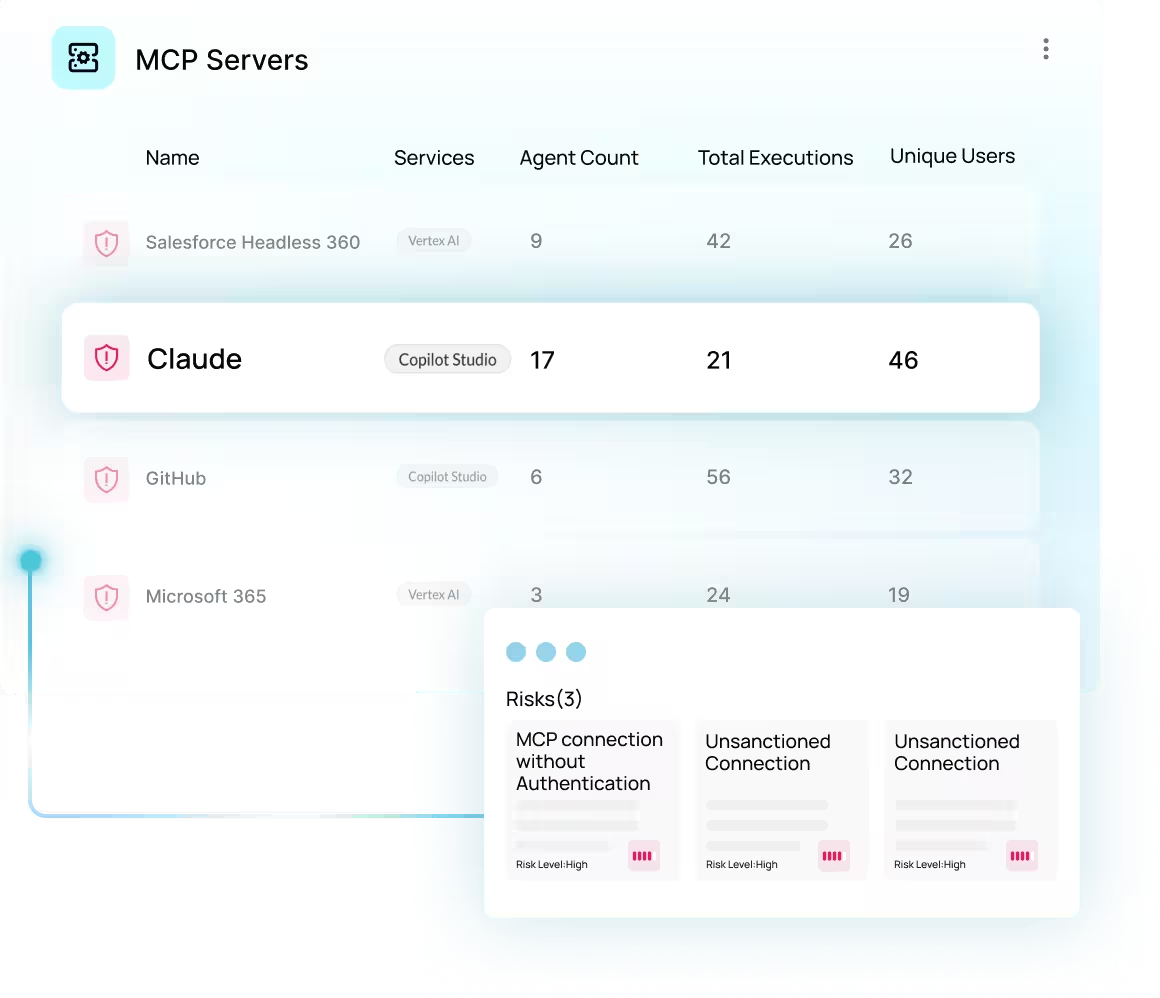
MCP security starts with knowing what's in your environment. Since every MCP server is a potential access point, tracking which agents are invoking which MCP server ensures only sanctioned IT stays in place.
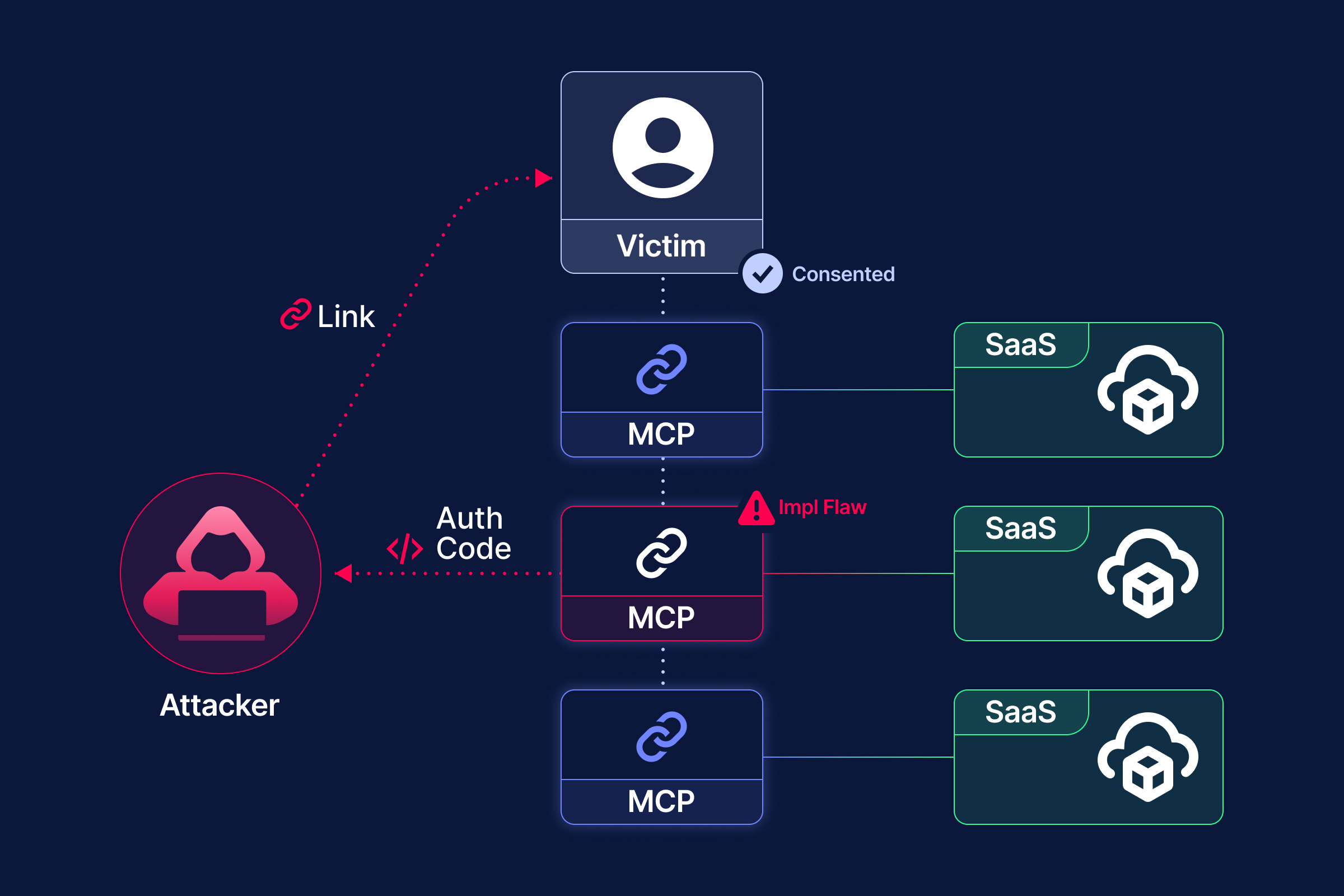
Every MCP connection is a live pathway into your systems, and most enterprises can't tell you which ones exist. One untrusted server can hijack agent actions and move sensitive data before anyone notices.


Out-of-the-box integrations with all major agent platforms, so you can get full visibility and governance within hours.
An MCP (Model Context Protocol) server is a connector that lets an AI agent call external tools and access data; a file store, a database, a SaaS app. Agents use them to actually get work done. Each one is also a live pathway into your systems, which is why they need to be inventoried and governed.
You audit MCP usage by tracing every server back to the agents invoking it, the users tied to those agents, and each execution run through it. Obsidian builds this inventory continuously, so you can see which agents touched which data through which server; without manual tracking.
Secure MCP servers in three moves: inventory every server in your environment, tie each to the agent and user invoking it, and block unsanctioned or unauthenticated servers before they run. Native controls inside most public MCPs are minimal, so the control has to come from outside the server.
Each MCP connection is a live path into your systems. An untrusted or compromised server can hijack agent actions, move sensitive data, and create downstream impact before anyone notices.
It surfaces every MCP server and maps it to the agents that invoke it, the users tied to those agents, and the executions run through it. This gives you a complete, current inventory instead of manual tracing.
New MCP servers and connections are inventoried in real time, the moment they appear. That helps teams spot unsanctioned servers before they stay in place unnoticed.
Yes. It provides risk alerts for agents connecting to MCP servers without authentication so teams can block anonymous access before it is exploited.
Manually tracing which agents connect to which MCP can take hours. The product centralizes MCP visibility and continuous mapping in one place, so you do not have to piece it together across fragmented dashboards.