SHADOW Apps
Discover and control shadow apps
Sensitive data can flow into apps you don’t control. Find unmanaged third-party application and secure it before exposure.

Sensitive data can flow into apps you don’t control. Find unmanaged third-party application and secure it before exposure.
Shadow App security starts with discovery. Uncover every app in use, control access and data flows, and reduce risk across the organization.


.avif)


Shadow Apps refer to unauthorized or unmanaged Third-Party Applications used within an organization, often without IT or security oversight. These applications can expose sensitive data, increase compliance risks, and lead to duplicate or unnecessary expenses. They often bypass identity provider (IdP) controls and create unmanaged app-to-app connections.
Shadow App inventories are shown to grow by 25% every 60 days. This rapid expansion makes it difficult for organizations to maintain proper security controls and prevent data leakage or unnecessary spend.
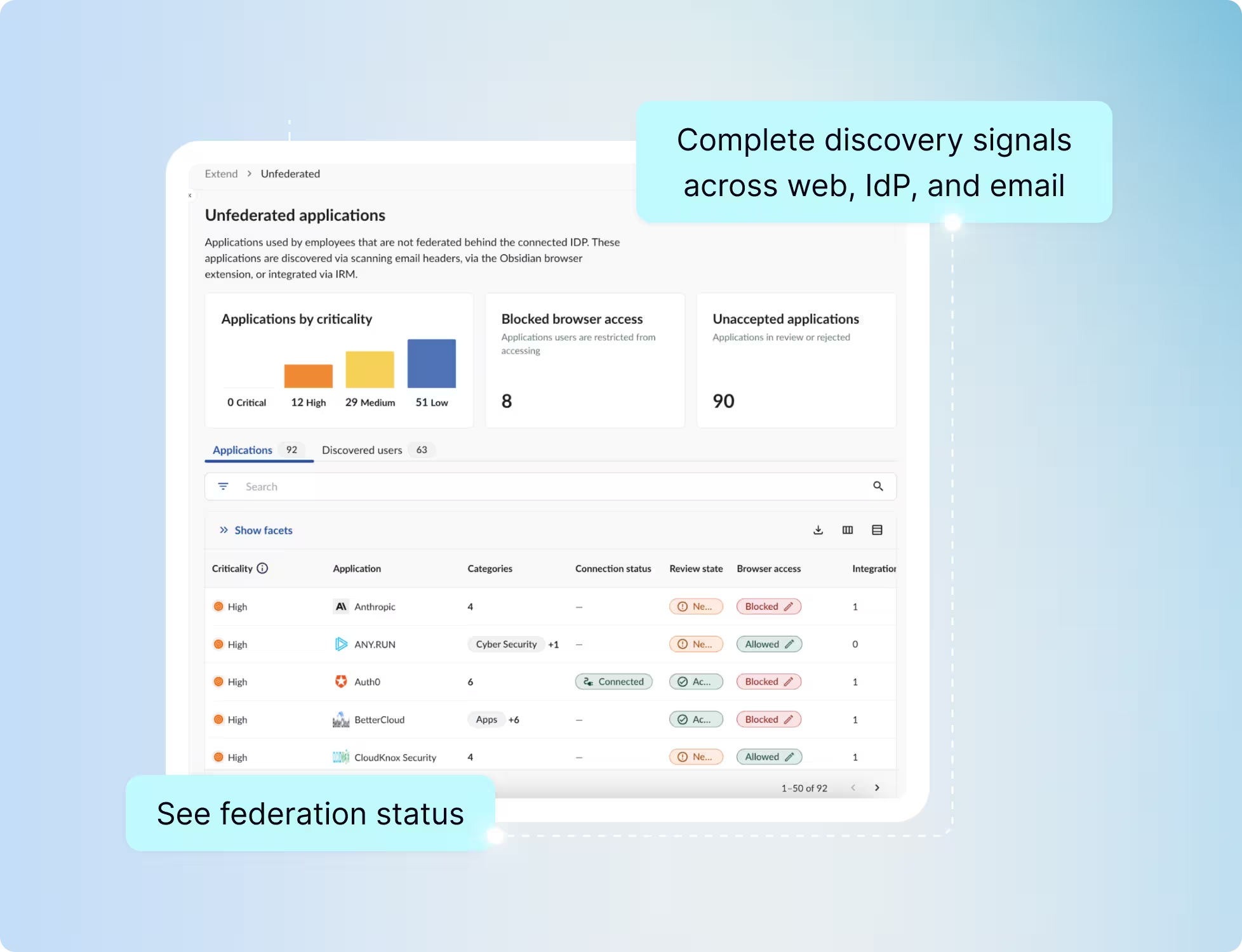
Obsidian integrates with identity providers (IdPs) to deliver a comprehensive inventory of all OAuth integrations and third-party applications in use. It monitors 3 vectors where these apps appear: browser activity, email headers, and third-party application integrations to identify both legitimate and high-risk or unused app-to-app connections.
OAuth integrations allow applications to access data or services from other applications on a user's behalf. Unmonitored OAuth connections can grant excessive permissions, making them a common attack vector and a critical focus for security posture management.
Yes, Obsidian identifies all applications, including sanctioned, federated, and unfederated apps that bypass your IdP. This enables organizations to detect and address apps that may have unauthorized access to corporate data, even if they avoid standard authentication pathways.
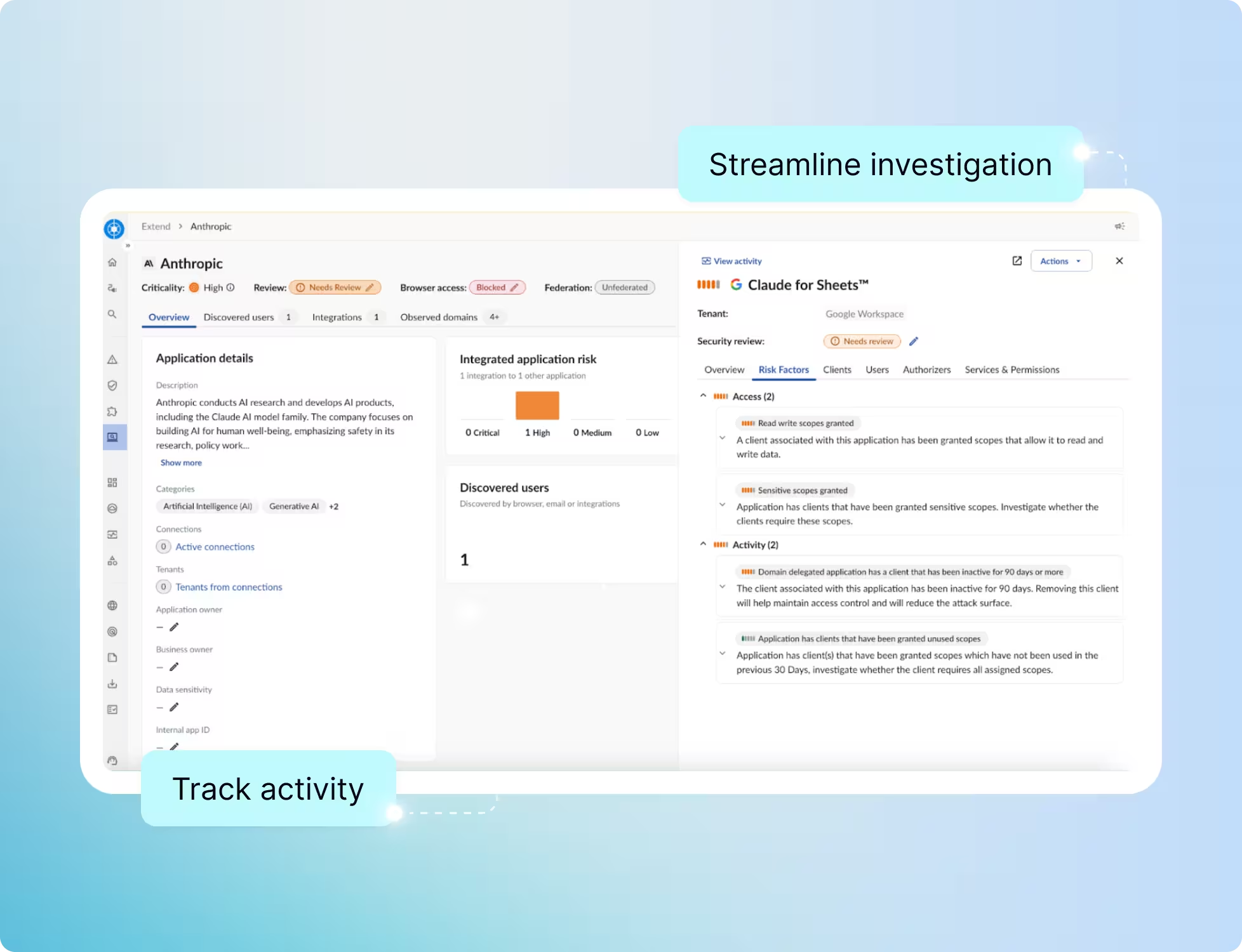
Obsidian analyzes and correlates app-to-app interactions, identifying risky data flows and flagging OAuth-enabled apps with elevated permissions or long-lived tokens. This visibility helps organizations govern how data moves between apps, reducing the chances of data breaches and compliance violations.
Organizations can receive targeted alerts on both active and inactive app integrations, allowing them to quickly deactivate unused or risky connections. This helps minimize the attack surface, control unnecessary expenses, and prioritize risk mitigation based on real-time usage and threat factors.
Obsidian helps dramatically reduce the number of unapproved, high-risk applications in use—one customer was able to turn off 91% of 1,964 discovered active apps, drastically minimizing both the attack surface and duplicate third-party application spend. This continuous monitoring supports both stronger security and more efficient third-party application cost management.